
"The First Time I Entered a Police Station"
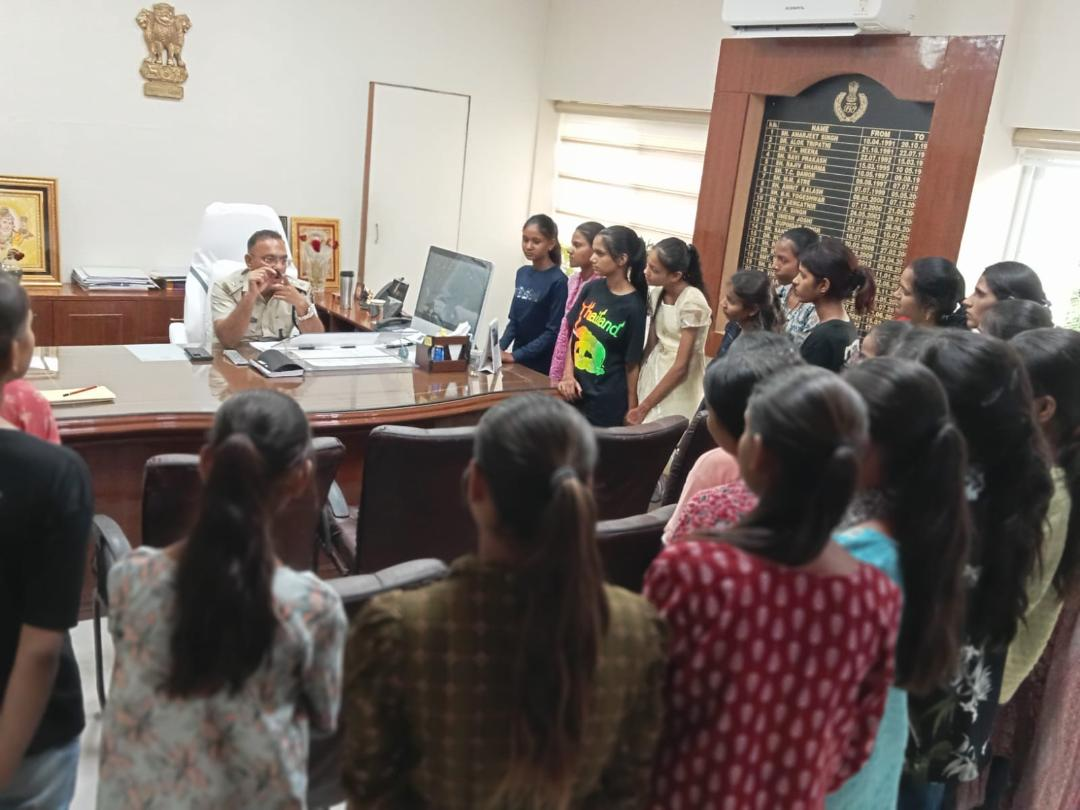
For most adolescent girls in small communities, a police station is often seen as a place of fear — shaped by silence, social stigma, and stories heard in films or society. It feels like a place meant only for criminals or for people facing serious trouble. That was exactly how one adolescent girl from Rajsamand felt before participating in an exposure visit organized under the Sukoon Project. “I had always seen the police station from a distance. I never imagined I would one day walk inside it.” When the girls were informed that they would visit the local police station as part of a learning exposure, emotions of fear and curiosity existed side by side. But the experience changed everything. As they entered through the gates, the atmosphere felt unfamiliar yet surprisingly welcoming. The police personnel in khaki uniforms were not there to scold or intimidate them — instead, they were there to listen, guide, and educate. A woman police officer warmly addressed the girls and said: “A police station is not a place to fear — it is a place of trust.” During the interaction, the girls learned about their legal rights, safety mechanisms, and the process through which women and girls can file complaints and seek protection. The officers also explained that the police are not only responsible for law enforcement, but are also there to support and protect citizens. For many girls, it was the very first time they understood that the police could be approachable, supportive, and trustworthy. The visit created more than awareness — it built confidence. The adolescent girl who once associated police stations with fear now says: “If something wrong ever happens, I will not stay silent. I will speak up, seek help, and walk into the police station with confidence.” This exposure visit became a powerful step toward breaking fear, challenging social perceptions, and helping adolescent girls recognize their rights, voice, and agency. Sometimes, a single visit can replace fear with confidence — and silence with courage.