
Disaster Management
Our Impact
27367+
Linked with health services
15004+
Covid19 Vaccination
1355+
Ration Kit Distribution
3216+
Provide Safety Material
Disaster Response & COVID-19 Relief
The COVID-19 pandemic was not only a health emergency but a humanitarian crisis that severely impacted rural and marginalized communities. Rajsamand Jan Vikas Sansthan (RJVS) responded swiftly — not only with emergency relief, but also by laying the foundation for long-term community health systems and social security mechanisms.
Our approach to disaster response combined immediate relief, collaboration with health systems, and awareness-building at the grassroots level.
"In times of crisis, when trust is most needed — RJVS stands first and firm."
Key Initiatives:
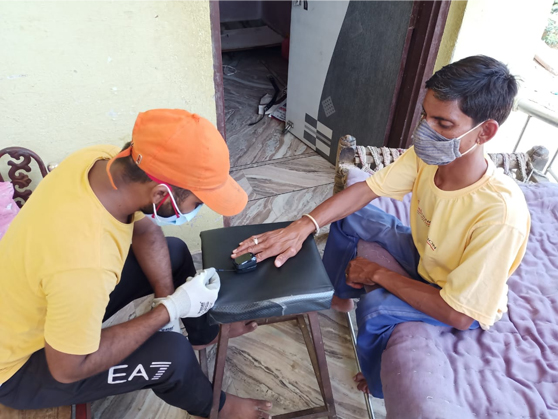
 Operation of Isolation Center: RJVS established and operated a dedicated isolation center for COVID-positive individuals, providing them with proper care, shelter, nutritious food, and access to essential medicines, along with facilities such as oxygen meters, ventilators, and oxygen cylinders. This initiative ensured dignity-based treatment for patients while helping reduce the burden on public hospitals during the peak of the pandemic.
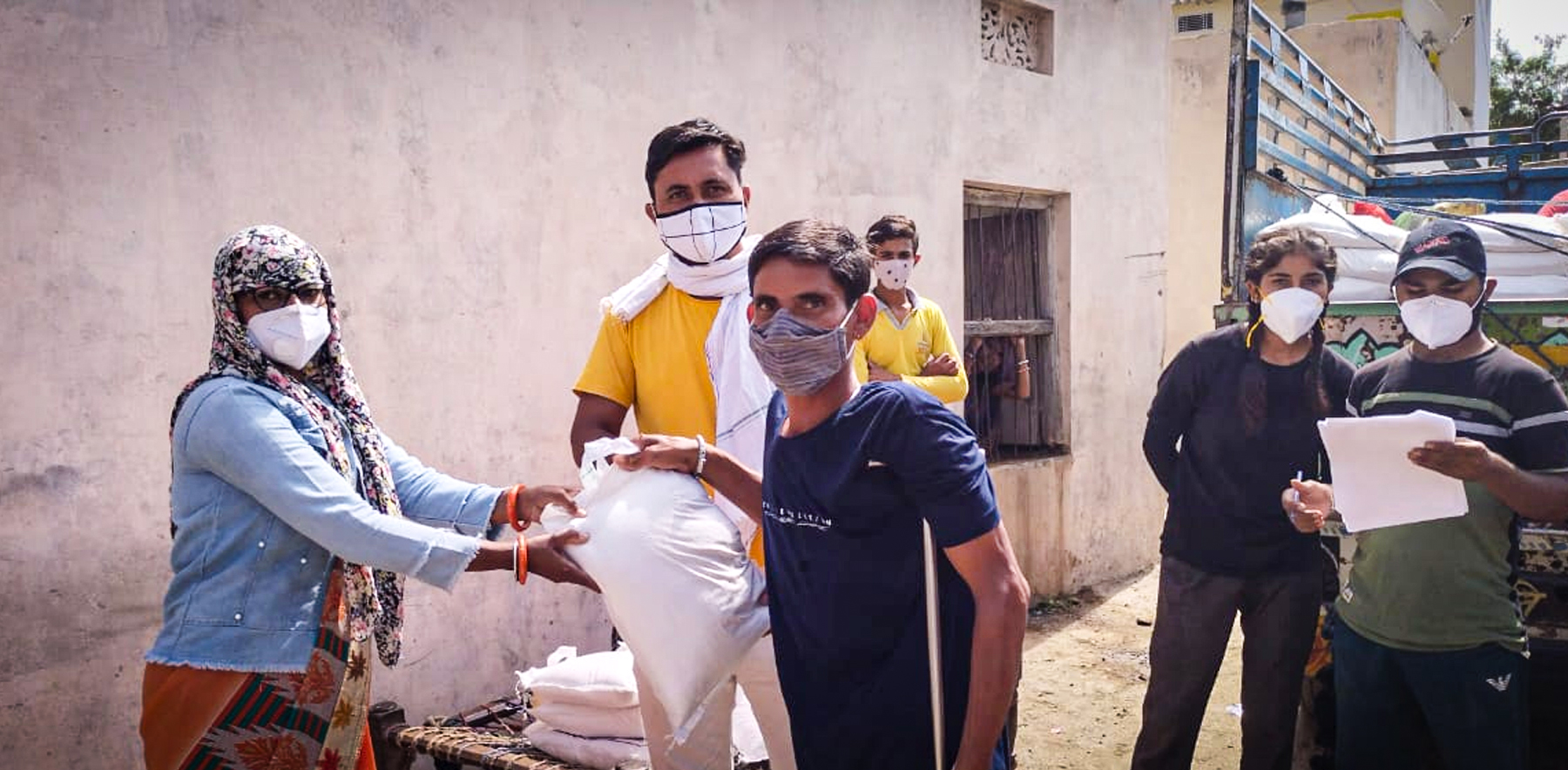
Distribution of Ration and Relief Materials: Over 10,000+ families received food supplies, essential items, and hygiene kits during lockdowns. These were distributed across remote villages and tribal belts, with special focus on families of daily-wage earners, single women, and persons with disabilities.
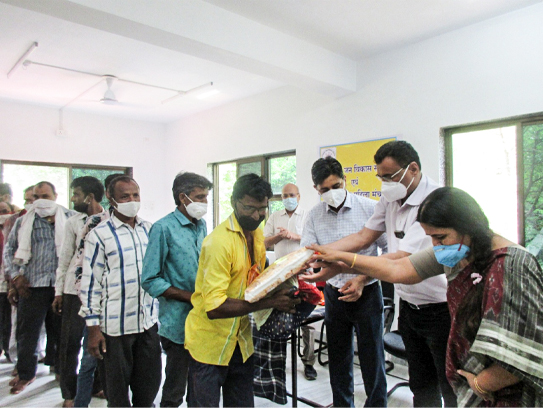
Linkages with Health Services: In partnership with the Department of Health and local hospitals, RJVS facilitated access to COVID-19 testing, vaccination drives, and tele-counseling services. Through our community workers, families were informed and encouraged to seek timely and safe medical assistance.
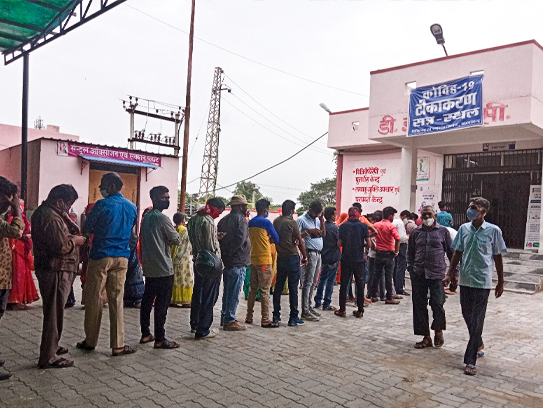
Free Distribution of Safety and Awareness Materials: Thousands of face masks, sanitizers, and awareness leaflets were distributed free of cost. In over 50+ villages, RJVS conducted awareness sessions, rallies, and information drives to educate people on preventive measures and bust myths related to COVID-19.
RJVS believes that disaster response must go beyond temporary aid. It must restore confidence, strengthen public systems, and empower communities to face future emergencies with resilience and clarity.